
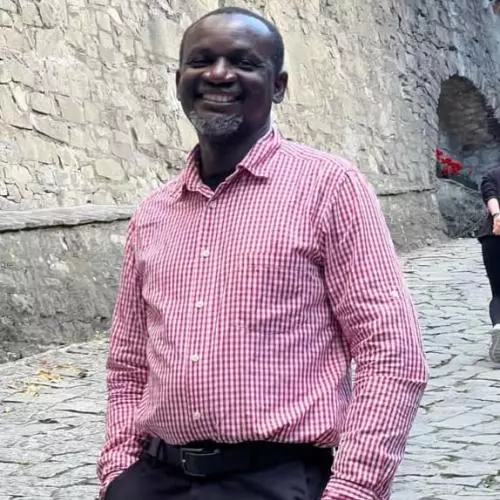
Anthony Nwanze
Weaving the Baskets of HOPE: Exploring Psychosocial Reintegration Pathways for Children Affected by the Boko Haram Protracted Armed Conflict and Crisis in North-East Nigeria
I am a child protection practitioner and researcher with more than twenty years of professional and research experience in humanitarian, development, and policy settings in Nigeria and Europe. I have held senior technical and leadership positions with Save the Children International, Street Child UK, and SOS Children's Villages Nigeria, focusing on strengthening child protection systems, alternative care, family support, and psychosocial interventions for children affected by armed conflict and displacement. My academic background integrates sociology and social work, including a Joint Erasmus Mundus Master's in Social Work with Children and Youth, with research and practice placements in Lithuania, Slovakia, and Latvia. I have published five peer-reviewed articles on child marriage, alternative care systems, and family strengthening, and received the Best Scientific Article Award at Mykolas Romeris University in 2025. In addition to my professional work, I volunteer as a mentor to young people, contribute to community-based child protection initiatives and passionate to see the systems works for the most vulnerable persons globally.
My doctoral research examines psychosocial reintegration pathways for children and young people affected by the protracted Boko Haram armed conflict and humanitarian crisis in North-East Nigeria. Through this study, I seek to understand how individuals, families, communities, and broader structural factors intersect to shape psychological well-being, recovery, social belonging, and long-term reintegration outcomes. I focus on young people's and caregivers' understandings of trauma, healing, and well-being, as well as the interaction of formal services, including mental health and psychosocial support, education, and other reintegration programs. Additionally, I assess both formal and informal faith-based and culturally grounded psychosocial rehabilitation and support mechanisms. By centring the lived experiences of conflict-affected young people, alongside perspectives from family, community, and institutional interlocutors, this research aims to generate evidence to inform culturally appropriate, child- and youth-centred approaches to psychosocial reintegration in North-East Nigeria and the wider Lake Chad region.